How Often Should You Change Your Toothbrush? Learn the expert-backed timelines, signs, and dental recommendations for replacing your toothbrush to maintain strong oral hygiene.
Your toothbrush plays a huge role in your oral health, yet many people forget that it needs regular replacing. How Often Should You Change Your Toothbrush? This is a common question dentists hear every day, and the answer is more important than you might think. In this guide, you’ll learn exactly when to replace your brush, why it matters, and how proper toothbrush care can keep your mouth healthier for years to come.
Understanding Why Toothbrush Replacement Matters
Change Your Toothbrush regularly isn’t just a dental recommendation it’s a hygiene necessity. Over time, the bristles on your toothbrush wear out, making them less effective at removing plaque and bacteria. Old brushes can also harbor millions of microorganisms, including fungi and harmful bacteria that contribute to gum infections and bad breath.
Dentists emphasize that a worn-out toothbrush doesn’t clean your teeth properly. Even if you brush twice a day, the results won’t be effective if the tool you’re using is compromised. Keeping your toothbrush fresh ensures better oral hygiene, healthier gums, and stronger teeth.
Recommended Timeline for Changing Your Toothbrush
How Often Should You Change Your Toothbrush?
The American Dental Association (ADA) recommends replacing your toothbrush every 3 months. This timeline ensures that your brush remains in good condition and performs effectively. However, there are situations where you may need to replace it sooner.
You should replace your toothbrush immediately if:
-
The bristles become frayed or bent
-
You’ve been sick (cold, flu, or throat infection)
-
Your brush develops an unpleasant odor
-
The color of the bristles fades noticeably
-
It looks visibly dirty despite cleaning
When it comes to oral care, sooner is always safer.
Signs Your Toothbrush Needs Immediate Replacement
Here are clear signs telling you it’s time to switch:
-
Frayed or splayed bristles
-
Discoloration, especially at the base
-
Storage near a toilet or humid environment
-
Sticky or slimy handle
-
Mold or unusual smell
If your brush shows any of these signs, it’s no longer safe or effective.
Consequences of Not Replacing a Toothbrush on Time
Neglecting to Change Your Toothbrush can lead to several issues, including:
-
Increased plaque buildup
-
Higher chance of gum disease and gingivitis
-
Persistent bad breath
-
Higher risk of cavities
-
Spread of bacteria in your mouth
A toothbrush is your first line of defense against bacteria keeping it fresh is essential.
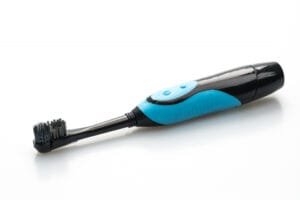
Manual vs. Electric Toothbrush Replacement Frequency
While electric toothbrushes clean more effectively, they still require regular head replacement.
When to Change Electric Toothbrush Heads
For electric models, replace the brush head:
-
Every 3 months (standard)
-
Every 2 months for strong brushers
-
After any illness
Different brands may suggest unique timelines, but dentists agree that three months is the ideal maximum.
How Lifestyle Affects Your Toothbrush Lifespan
Your brushing habits and environment impact how fast your toothbrush wears out. People who brush aggressively will wear bristles faster. If you travel frequently or store your brush in a humid environment, it may degrade more quickly.
Other factors include:
-
Using high-abrasive toothpaste
-
Exposing the brush to contamination
-
Poor cleaning or rinsing after use
Best Practices for Toothbrush Care
How to Store Your Toothbrush Properly
Follow these simple tips to keep your brush clean and safe:
-
Store it upright to let it dry naturally
-
Keep it uncovered (caps trap moisture)
-
Rinse thoroughly after every use
-
Keep it away from the toilet area
-
Avoid sharing toothbrushes or mixing brush heads
Proper storage helps slow down bacteria growth and extends the brush’s lifespan.
Choosing the Right Toothbrush for Healthier Teeth
Your choice of toothbrush matters just as much as how often you change it. Dentists recommend using soft-bristled brushes because they’re gentle on gum tissue yet highly effective at removing plaque. Medium or hard bristles may damage enamel over time.
Look for:
-
ADA-approved brushes
-
Comfortable grip
-
Rounded bristle ends
-
A size and shape that fits your mouth
Toothbrush Replacement for Kids
Children often chew on toothbrush heads, causing them to wear out much faster than adult brushes. Most kids need a new toothbrush every 1–2 months or sooner if bristles fray. Teaching kids proper brushing habits and replacing their toothbrush regularly helps protect their developing teeth.
Eco-Friendly Toothbrush Replacement Options
If sustainability matters to you, consider:
-
Bamboo toothbrushes
-
Recyclable electric brush heads
-
Compostable handles
-
Minimal-packaging brands
Eco-friendly brushes are becoming more popular and help reduce plastic waste.
Dentist Insights: Expert Opinion on Toothbrush Lifespan
Dentists consistently emphasize that the 3-month rule is not optional. Based on years of observation, they see that patients who regularly replace their toothbrushes experience:
-
Fewer cavities
-
Healthier gums
-
Cleaner breath
-
Better plaque control
Using a fresh toothbrush is a simple, inexpensive way to protect your long-term oral health.
Frequently Asked Questions (FAQs)
1. How Often Should You Change Your Toothbrush?
You should Change Your Toothbrush every 3 months, or sooner if bristles are frayed.
2. Should I Change My Toothbrush After Being Sick?
Yes, always Change Your Toothbrush after illness to avoid reinfection.
3. Do Electric Toothbrush Heads Last Longer?
No electric brush heads also require replacement every 2–3 months.
4. Can an old toothbrush damage gums?
Yes, worn bristles can irritate gums and cause sensitivity.
5. How do I make my toothbrush last longer?
Store it upright, rinse thoroughly, and avoid covering it.
6. Is a soft-bristled brush enough for deep cleaning?
Yes, soft bristles are most recommended by dentists and protect enamel.
Disclaimer: This article is for general informational purposes only and should not be relied upon as medical or dental advice. Always consult your dentist or healthcare professional for personalised guidance.
Conclusion
Change Your Toothbrush regularly is one of the simplest ways to protect your smile. Following the 3-month rule, watching for wear, and practicing good hygiene can dramatically improve your oral health. A clean, fresh toothbrush ensures stronger teeth, healthier gums, and better overall well-being.
References
-
American Dental Association (ADA) – Toothbrush Care Guide
-
Colgate Oral Health Center – Toothbrush Lifespan
-
Cleveland Clinic – Dental Care Recommendations